Spunbond
A durable and lightweight fabric is created by bonding polymer fibers together using heat and pressure.


High-performance fabric solutions that are lightweight, durable, flexible and manufactured to meet the needs of different industries.
Nonwoven fabric is a type of technical material created by bonding fibers together through various methods without using weaving or knitting processes.
Mechanical, chemical or thermal methods are used during production. The most common manufacturing methods include spunbond, meltblown, needle punch and airlaid.
In the spunbond method, fibers are bonded with heat, while the meltblown method creates very fine fibers from molten polymers. The needle punch method uses mechanical needles, while airlaid uses airflow.
Thanks to these production techniques, nonwoven fabrics offer a lightweight, durable, flexible and breathable structure. They provide long-lasting and efficient use across a wide range of applications.
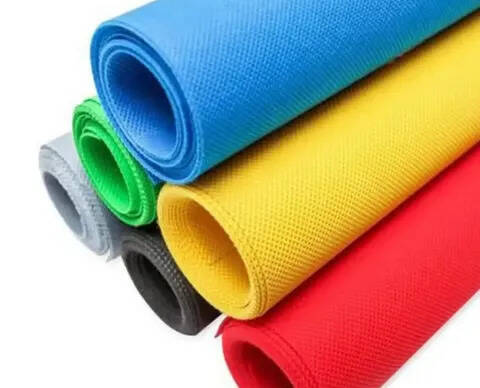
A durable and lightweight fabric is created by bonding polymer fibers together using heat and pressure.
High filtration performance is achieved by transforming molten polymers into very fine fibers with hot air.
A strong and dense fabric structure is created by interlocking fibers through mechanical needles.
Soft and absorbent fabrics are produced by distributing fibers evenly across the surface using airflow.
Its high mechanical strength provides resistance against wear, abrasion and physical stress.
Its low weight provides practical and comfortable use during transportation, storage and application processes.
It offers recyclable options and, in suitable production alternatives, biodegradable materials.
Its flexible and breathable structure enables comfortable and efficient use in different application areas.
Contact us for nonwoven fabric solutions tailored to your application, required weight and technical specifications.